

Have you ever noticed how your mood changes after a night of tossing and turning? Maybe you felt more irritable, anxious, or even struggled to focus the next day. You’re not alone! There’s a deep connection between sleep and mental health, and when one suffers, so does the other. In this post, we’re diving into how sleep impacts your mental well-being and sharing 10 simple, yet effective, tips to help you improve your sleep. After reading, I’d love to hear what techniques you’ve used to get a better night’s rest and how they’ve helped your mental health—so don’t forget to drop your tips in the comments below!
Why Sleep and Mental Health Are So Connected
You probably already know that a good night’s sleep makes you feel more refreshed and ready to tackle the day, but did you know it actually plays a major role in how you process emotions and handle stress? Sleep allows your brain to reset and recharge. During sleep, your mind processes the emotions and experiences of the day, which helps keep things in perspective. When you don’t get enough sleep, this process is interrupted, making it harder to cope with stress and more likely for negative feelings to spiral out of control.
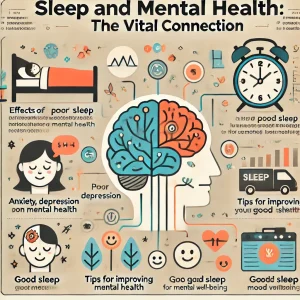
Poor sleep can actually worsen mental health conditions like anxiety and depression. It’s not just that sleepless nights make you grumpy—it’s that lack of sleep literally changes how your brain reacts to stress and emotion. On the flip side, improving your sleep quality can have a profound effect on your emotional balance, making you feel calmer, more positive, and better equipped to manage life’s challenges.
How Poor Sleep Messes with Your Brain
Ever feel like your brain is just…foggy after a night of bad sleep? That’s because sleep deprivation hits your brain hard. It throws off the amygdala, the part of your brain responsible for processing emotions. When you’re sleep-deprived, your amygdala can become overactive, making you more likely to overreact to little things or feel overwhelmed by stress. Plus, lack of sleep impairs your prefrontal cortex—the part of your brain that helps you make rational decisions. So, without enough sleep, your ability to manage emotions and stress takes a big hit.
On the bright side, better sleep can significantly boost your emotional resilience. When you’re well-rested, you’re more likely to feel emotionally balanced, manage stress better, and keep a positive mindset. Think of sleep as your brain’s nightly “reset button” for your mood and mental well-being.
10 Tips to Improve Sleep and Boost Mental Health
Now that we’ve established how important sleep is for mental health, let’s get into some practical ways to improve your sleep. These tips are easy to implement and can make a big difference. After you give them a try, feel free to share what worked for you in the comments!
- Stick to a Sleep Schedule
Your body loves routine! Going to bed and waking up at the same time each day helps regulate your sleep cycle. It might take a little while to adjust, but over time, this consistency will improve your sleep quality. - Wind Down with a Bedtime Routine
Do you have a bedtime ritual? Whether it’s reading, stretching, or even just sipping some tea, a calming routine tells your body it’s time to sleep. What’s your go-to wind-down activity? Let me know in the comments! - Create a Sleep-Friendly Environment
Your bedroom should be a sleep sanctuary. That means cool, quiet, and dark. Do you use blackout curtains or maybe a sound machine to help you sleep? I’d love to hear how you’ve created a cozy sleep space! - Cut Down on Screen Time Before Bed
We’ve all been guilty of scrolling through our phones before bed, but the blue light from screens messes with melatonin production—the hormone that helps you sleep. Try putting away your phone an hour before bed and see if it makes a difference! - Limit Stimulants in the Evening
Did you know that caffeine can stay in your system for up to eight hours? If you’re having trouble sleeping, it might be worth cutting off caffeine in the afternoon. Are there any other evening habits you’ve changed that have helped your sleep? - Eat Light at Night
Heavy meals right before bed can disrupt your sleep. Try to eat dinner a few hours before bed, and if you’re hungry, go for a light snack like a banana or some warm milk. What’s your favorite bedtime snack? Share it in the comments! - Exercise Regularly
Regular physical activity can help you fall asleep faster and enjoy deeper sleep—but try to avoid vigorous workouts right before bed. When do you like to work out? Morning, afternoon, or evening? - Manage Daytime Stress
Stress doesn’t just affect your mood; it can keep you tossing and turning at night too. Incorporating mindfulness, meditation, or even journaling into your day can help reduce stress and improve your sleep. What stress-busting techniques work for you? - Don’t Overdo Naps
While a quick nap can recharge you, long or irregular naps during the day can throw off your nighttime sleep. If you’re a napper, how do you make sure it doesn’t interfere with your regular sleep? - Know When to Seek Help
If you’re struggling with chronic insomnia or sleep disturbances, it might be time to seek professional support. Have you tried any sleep therapies or other treatments that made a difference for you? Let’s start a conversation!
What Works for You?
I’ve shared some tried-and-true tips for improving sleep, but I want to hear from you! What methods have helped you fall asleep more easily or stay asleep through the night? Has better sleep helped your mental health, and if so, how? Let’s keep this conversation going—share your experiences in the comments, and maybe you’ll inspire someone else to try something new!
I hope this article helps you rethink your relationship with sleep and how it impacts your mental well-being. Feel free to try out these sleep quality tips and see what works best for you. Remember, sleep is more than just rest—it’s a crucial part of maintaining your emotional and mental health. By taking care of your sleep, you’re also taking care of your mind.
