

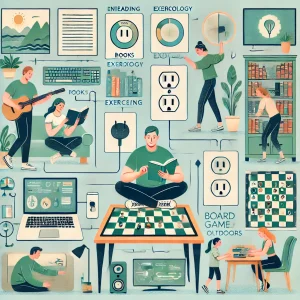
Let’s be real for a moment—how many times have you reached for your phone today without even thinking about it? If you’re like most of us, it’s probably too many to count. In a world where screens dominate almost every aspect of our lives, it can feel impossible to escape. But here’s the good news: taking a break from technology, also known as a digital detox, can do wonders for your mental well-being, relationships, and overall happiness.
Before you roll your eyes and think, “Not another article telling me to stop using my phone,” hang with me. This isn’t about going off the grid or tossing your devices into a river (though if that sounds fun, more power to you!). It’s about creating a healthier balance. So let’s dive into why you should consider unplugging, and I’ll share some super simple, real-life examples to make it easier for you.
Why We’re All Addicted to Our Screens
First things first—let’s talk about why it’s so hard to put down our phones, tablets, and laptops. Think about it. Between work emails, social media, binge-watching shows, and checking the news, we’re in a constant cycle of digital overload. While technology brings convenience and connection, it can also wreak havoc on our mental health. Endless scrolling often leaves us feeling more disconnected, stressed, and overwhelmed.
Sound familiar?
That’s why a tech detox is so important. It helps you hit pause, clear your mind, and reconnect with what really matters—whether it’s your personal goals, relationships, or simply your peace of mind.
How a Digital Detox Can Change Your Life
Okay, so what exactly are the tech detox benefits? Let’s break it down.
- Clearer Mind, Better Focus: Ever notice how hard it is to concentrate when you’re constantly checking notifications? A detox gives your brain some much-needed breathing room. It’s like taking a deep breath for your mind. When you’re not bombarded by constant information, you can think more clearly, be more productive, and even boost your creativity.
- Stronger Real-Life Connections: Have you ever been out with friends, and half the group was glued to their phones? It’s frustrating, right? When you unplug, you’re not just giving up screen time—you’re making space for real, meaningful conversations. Imagine how much more connected you’d feel if everyone put their phones away during dinner.
- Better Sleep: It’s no secret that screen time before bed messes with your sleep. The blue light from your devices tricks your brain into thinking it’s still daytime. Unplugging at least an hour before bed can help you get deeper, more restful sleep. Who doesn’t want that?
- Less Anxiety, More Peace: Constant connectivity can fuel stress and anxiety. Taking regular breaks from technology allows you to recharge, calm your nervous system, and reset your mental state.
Easy Digital Detox Tips You Can Start Today
Now, I know the idea of a digital detox might sound intimidating. But don’t worry—I’m not saying you need to go completely cold turkey. Small steps can make a big difference. Let’s look at some practical digital detox tips that are easy to implement (and trust me, you’ll actually want to try them!).
1. Start Small with “Tech-Free Time Zones”
Pick specific times of the day to unplug. For example, maybe every morning for 30 minutes, you don’t check your phone. Use that time to journal, stretch, or drink your coffee slowly. Or, try going tech-free after 8 p.m. The goal here is to carve out little pockets of time where you’re not glued to your devices.
2. Create Tech-Free Zones in Your Home
Designate certain areas where tech is a no-go. The bedroom is an excellent place to start. Keep your phone out of reach, or even better, outside the room altogether. This can transform your sleep routine and make your space feel like a true sanctuary for rest.
3. Try “Digital-Free Days”
Pick one day a week—yes, just one!—and go tech-free for the day. No social media, no Netflix, no emails. Instead, spend the day hiking, reading a book, or catching up with friends in person. At first, it might feel strange (even uncomfortable), but you’ll be surprised how freeing it is.
4. Use Apps to Help You Detox
Ironically, there are apps designed to help you reduce screen time. Apps like “Moment” or “Screen Time” track your usage and even set limits. Think of it as a little nudge to remind you to step away from the screen and do something else.
5. Get Outdoors
One of the best ways to unplug is to immerse yourself in nature. Go for a walk, have a picnic, or just sit outside with no agenda other than soaking in your surroundings. Nature has this magical way of helping us unwind without any need for Wi-Fi.
6. Practice Mindfulness
This might sound a bit “woo-woo,” but bear with me. Mindfulness practices like meditation, deep breathing, or simply being present in the moment can help you disconnect mentally, even if you’re physically near your devices. Apps like Headspace can guide you through quick sessions if you’re a beginner.
Why Unplugging is a Game Changer for Your Mental Health
Let’s talk about the long-term effects of unplugging for your mental health. When you consciously decide to reduce your screen time, you’re giving your brain the break it desperately needs. Studies show that less screen time is linked to lower levels of anxiety and depression. You start feeling more in control of your life, rather than feeling like you’re being pulled in a million different directions by every notification and message.
It’s not just about feeling less stressed either. Unplugging for mental health helps you become more mindful, present, and intentional. And in a world where we’re constantly bombarded with noise, that kind of peace is priceless.
The Best Part? You Can Always Come Back
Here’s the thing—doing a digital detox doesn’t mean you have to give up technology forever. It’s about creating balance. After your detox, you’ll likely come back to your devices with a new perspective. You’ll be more mindful about how you use them, and less likely to get sucked into the mindless scrolling rabbit hole.
And remember, detoxing from tech isn’t about perfection. If you slip up and spend more time on your phone than you’d like, don’t beat yourself up. Just start again the next day. The benefits will still be there waiting for you.
Final Thoughts: Are You Ready to Unplug?
I get it—unplugging can feel intimidating at first. We’ve become so used to being constantly connected that the thought of stepping away feels almost impossible. But the truth is, you have nothing to lose and everything to gain. By taking small steps to reduce your screen time, you can improve your focus, boost your mood, and strengthen your real-life relationships.
So what do you say? Ready
