

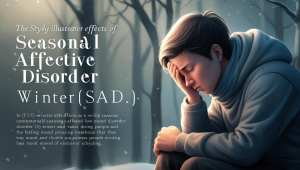
Ever noticed a sudden dip in your mood when the seasons change? Do you find yourself feeling unusually low, sluggish, or even depressed as the days get shorter and colder? If so, you’re not alone. What you’re experiencing could be Seasonal Affective Disorder (SAD)—a form of depression that’s directly linked to seasonal changes.
But don’t worry, SAD isn’t something you have to endure in silence. In this blog post, we’ll explore everything you need to know about Seasonal Affective Disorder (SAD) treatment and symptoms, including effective ways to manage and prevent it.
What is Seasonal Affective Disorder (SAD)?
Seasonal Affective Disorder, often referred to as seasonal depression, is a type of depression that follows a seasonal pattern. Most commonly, people experience it during fall and winter when daylight hours become shorter. However, in rare cases, some individuals experience summer-pattern SAD, where symptoms arise during the warmer months.
SAD isn’t just about feeling a little gloomy when it’s cold outside. It’s a legitimate mental health condition that can interfere with daily life, making even the simplest tasks feel overwhelming.
Who is at Risk?
While anyone can experience Seasonal Affective Disorder, certain factors increase the likelihood of developing it:
- Geographical Location – If you live in a region with long winters and minimal sunlight, you’re more prone to experiencing SAD.
- Biological Makeup – Some people naturally produce less serotonin (the “feel-good” hormone) or have a disrupted internal clock, making them more vulnerable to seasonal changes.
- Family History – If depression runs in your family, you might be more susceptible to developing SAD.
- Existing Mental Health Conditions – If you already struggle with depression or anxiety, seasonal changes can amplify your symptoms.
Common Symptoms of SAD
Recognizing Seasonal Affective Disorder (SAD) symptoms early is key to managing it effectively. Symptoms often resemble those of major depression but appear at specific times of the year. Here’s what to look out for:
- Persistent Low Mood – Feeling down or hopeless most days.
- Loss of Interest – Hobbies and activities that once brought joy no longer excite you.
- Changes in Sleep Patterns – Sleeping too much or struggling with insomnia.
- Fatigue and Low Energy – Feeling sluggish, as if even small tasks drain you completely.
- Weight and Appetite Changes – Craving carbohydrates and experiencing unexplained weight gain or loss.
- Difficulty Concentrating – Struggling to focus or remember things.
- Social Withdrawal – Avoiding social activities or feeling detached from loved ones.
What Causes Seasonal Affective Disorder?
SAD isn’t random—it’s deeply tied to biological and environmental factors. Here’s what’s really going on behind the scenes:
1. Reduced Sunlight and Melatonin Disruption
Less sunlight in fall and winter leads to increased melatonin production. This hormone regulates sleep, but too much of it can leave you feeling excessively tired and unmotivated.
2. Lower Serotonin Levels
Serotonin is your brain’s natural mood stabilizer. Shorter daylight hours reduce serotonin production, leading to feelings of depression and lethargy.
3. Disrupted Circadian Rhythm (Body Clock)
Your internal clock is synchronized with natural light. When sunlight exposure decreases, your sleep-wake cycle gets thrown off, causing mood instability.
4. Vitamin D Deficiency
Sunlight helps your body produce Vitamin D, which is crucial for brain function. Low Vitamin D levels are linked to depressive symptoms.
[aweber listid=”6784043″ formid=”51586549″ formtype=”webform”]
Effective Seasonal Affective Disorder (SAD) Treatment and Symptoms Management
SAD can be frustrating, but the good news is that it’s manageable and treatable. The following strategies can help you feel better and take control of your mental well-being.
1. Get More Sunlight (Even When It’s Cold!)
Why it works: Exposure to natural light boosts serotonin levels and regulates your sleep cycle.
- Try to spend at least 30 minutes outside daily, even if it’s cloudy.
- Open your curtains wide to let in as much natural light as possible.
- Rearrange your workspace or home to sit near windows.
2. Try Light Therapy (Phototherapy)
Why it works: A light therapy box mimics natural sunlight and helps regulate melatonin and serotonin.
- Invest in a 10,000-lux light therapy lamp and use it for 20–30 minutes daily.
- Use it in the morning to kickstart your day with an energy boost.
3. Prioritize Exercise and Movement
Why it works: Exercise naturally increases endorphins and serotonin, improving mood and energy.
- Aim for at least 30 minutes of exercise (walking, yoga, dancing, or strength training) most days of the week.
- If motivation is low, start with just 5 minutes and build from there.
4. Maintain a Healthy Diet
Why it works: A well-balanced diet helps regulate mood and energy levels.: https://serenitymuse.org/how-mindful-eati…ts-mental-health/
- Increase Omega-3s – Found in salmon, walnuts, and flaxseeds, they boost brain health.
- Limit Sugar & Processed Foods – They cause energy crashes and mood swings.
- Eat More Protein – Helps produce serotonin, reducing symptoms of depression.
5. Stay Socially Connected
Why it works: Isolation worsens depressive symptoms, while social interaction provides emotional support.
- Schedule weekly catch-ups with friends or family.
- Join a support group or community activities to stay engaged.
6. Consider Therapy or Counseling
Why it works: Talking to a mental health professional can provide coping strategies tailored to your needs.
- Cognitive Behavioral Therapy (CBT) is especially effective in managing SAD symptoms.
Final Thoughts: You’re Not Alone in This
Seasonal Affective Disorder is more than just “winter blues”—it’s a real condition that can impact your mental and physical health. By addressing Seasonal Affective Disorder (SAD) treatment and symptoms, you can take proactive steps toward mental well-being.
FOR FUTHER READING:
-
National Institute of Mental Health (NIMH) – Seasonal Affective Disorder
URL: https://www.nimh.nih.gov/health/publications/seasonal-affective-disorder
Anchor Text: Get expert insights on Seasonal Affective Disorder (SAD) treatment and symptoms from NIMH.. -
World Health Organization (WHO) – Mental Health Resources
URL: https://www.who.int/health-topics/mental-health
Anchor Text: Explore WHO’s global mental health resources, including seasonal depression support.
Let’s Talk!
Have you ever experienced seasonal mood changes? What strategies have worked for you? Drop a comment below and share your thoughts!

