


Introduction:
Chronic stress is more than just a temporary feeling of overwhelm; it’s a persistent state that can deeply affect both your mind and body. In this guide, we’ll delve into the profound impact of chronic stress on mental health, shedding light on its various facets and providing insights into managing its effects.
What is Chronic Stress?
Chronic stress differs from everyday stressors in its duration and intensity. It persists over a prolonged period, often without relief, and can stem from various sources such as work pressures, financial strain, or ongoing personal issues.
Physical Impact of Chronic Stress:
The body’s response to chronic stress involves a continuous release of stress hormones like cortisol. This prolonged activation can lead to physical symptoms such as headaches, muscle tension, digestive issues, and even a weakened immune system.
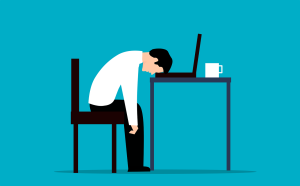
Psychological Impact of Chronic Stress:
Mentally, chronic stress takes a toll on emotional well-being. It can contribute to heightened anxiety, persistent feelings of sadness or irritability, and difficulty concentrating or making decisions. Over time, these symptoms may evolve into more severe conditions like depression or anxiety disorders.
Behavioral Effects:
Individuals experiencing chronic stress may adopt coping mechanisms that are detrimental to their health, such as overeating, increased alcohol consumption, or withdrawal from social activities. These behaviors can further exacerbate the impact on mental health and overall quality of life.
Long-term Consequences:
Unchecked chronic stress is associated with significant long-term consequences. It can increase the risk of developing serious health conditions such as cardiovascular disease, diabetes, and other chronic illnesses. Additionally, the cumulative toll on mental health can lead to prolonged periods of emotional distress and reduced resilience.

Conclusion:
Understanding the impact of chronic stress is the first step towards effective management and prevention. If you recognize signs of chronic stress in yourself or others, seeking support from mental health professionals or implementing stress management techniques can make a significant difference. By prioritizing mental well-being and adopting healthy coping strategies, individuals can mitigate the harmful effects of chronic stress and cultivate resilience in the face of life’s challenges.


