Cognitive Behavioral Therapy (CBT) is a widely recognized and effective approach for managing anxiety disorders. It focuses on identifying and changing negative thought patterns and behaviors that contribute to anxiety, helping individuals develop healthier coping mechanisms. Here’s how CBT can help you manage anxiety:

Understanding CBT for Anxiety
- Identifying Thought Patterns: CBT helps you become aware of automatic negative thoughts and cognitive distortions that contribute to anxiety. These thoughts often involve catastrophic thinking, overgeneralization, or assuming the worst-case scenario.
- Challenging Negative Thoughts: Once identified, CBT teaches you to challenge these negative thoughts by evaluating evidence for and against them. This process helps to develop more balanced and realistic thinking patterns.
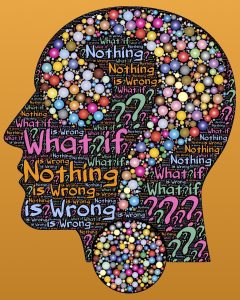
- Behavioral Strategies: CBT includes behavioral techniques such as exposure therapy and behavioral experiments. Exposure therapy gradually exposes you to feared situations or stimuli in a controlled manner, helping to reduce anxiety over time.
- Learning Coping Skills: CBT equips you with practical coping skills to manage anxiety symptoms, such as relaxation techniques (e.g., deep breathing, progressive muscle relaxation) and problem-solving skills.
Benefits of CBT for Anxiety
– Effective and Evidence-Based: CBT is supported by extensive research and has been shown to be highly effective in treating various anxiety disorders, including generalized anxiety disorder, panic disorder, social anxiety disorder, and specific phobias.
– Empowerment and Self-Awareness: CBT empowers individuals by teaching them skills to manage their anxiety independently. It promotes self-awareness of triggers and symptoms, enhancing overall emotional resilience.
– Long-Term Results: Unlike medication, which may treat symptoms temporarily, CBT aims to provide long-term relief by addressing underlying thought patterns and behaviors that contribute to anxiety.
How CBT Sessions Are Structured
- Assessment: The therapist assesses your symptoms, triggers, and current coping strategies to develop a personalized treatment plan.
- Setting Goals: Together with your therapist, you establish specific goals for therapy, such as reducing panic attacks or improving social interactions.
- Identifying Thought Patterns: You learn to recognize and challenge negative thought patterns through structured exercises and homework assignments.
- Behavioral Techniques: Behavioral techniques like exposure therapy are gradually introduced to help you confront and overcome feared situations.
- Skill-Building: Throughout therapy, you practice coping skills and techniques to manage anxiety symptoms effectively in real-life situations.

Join Us on Social Media!
Explore more about managing anxiety with CBT and other mental health topics. Follow us on our social media channels for resources, tips, and support:
TikTok
Final Thoughts
CBT offers practical tools and strategies for managing anxiety by addressing both cognitive distortions and behavioral patterns. By working with a qualified therapist, you can learn to challenge negative thinking, develop effective coping skills, and regain control over your anxiety symptoms. Take the first step toward managing your anxiety with CBT and experience the positive impact it can have on your mental well-being.